What Are Indonesia's New Domestic Wastewater Quality Standards Under Permen LH 11/2025?
On September 9, 2025, Indonesia's Minister of Environment and Head of the Environmental Control Agency (Badan Pengendalian Lingkungan Hidup) enacted Peraturan Menteri Lingkungan Hidup/Badan Pengendalian Lingkungan Hidup Nomor 11 Tahun 2025 concerning Domestic Wastewater Quality Standards and Domestic Wastewater Treatment Technology Standards. This regulation replaces the previous Permen LHK 68/2016 and introduces updated quality parameters, volume-based technology requirements, and a 2-year transition period for existing businesses.
1.0 Regulatory Foundation: Key Definitions
Pasal 1 of Permen LH 11/2025 establishes 14 definitions central to the regulation's framework. The regulation distinguishes between two types of domestic wastewater:
"Air Limbah Kakus adalah Air Limbah yang berasal dari buangan biologis, berbentuk tinja manusia beserta buangan lainnya berupa cairan."
"Air Limbah Nonkakus adalah Air Limbah yang berasal dari buangan aktivitas manusia seperti mandi dan cuci."
This distinction between toilet wastewater (Air Limbah Kakus) and non-toilet wastewater (Air Limbah Nonkakus) from bathing and washing activities is significant because different quality standards apply to each type under Lampiran I.
Matrix 1.1: Key Definitions Under Permen LH 11/2025
2.0 Mandatory Treatment Obligation
Pasal 2 establishes the core obligation under this regulation. All businesses and activities producing domestic wastewater must treat it before discharge:
"Penanggung jawab Usaha dan/atau Kegiatan yang menghasilkan Air Limbah Domestik wajib melakukan Pengolahan Air Limbah Domestik sebelum: a. dilepas ke lingkungan; dan b. dimanfaatkan untuk kegiatan utama, penunjang, atau produk samping sesuai dengan ketentuan peraturan perundang-undangan."
This obligation applies to all businesses and activities generating domestic wastewater (Pasal 2 ayat 2), including wastewater treatment service providers and sludge treatment service providers (Pasal 2 ayat 3). An exemption exists for entities that transfer their domestic wastewater to licensed treatment service providers (Pasal 2 ayat 4).
3.0 Quality Standards Framework: Three-Dimensional Classification
Pasal 4 establishes the quality standards framework based on three criteria:
"Baku Mutu Air Limbah untuk Air Limbah Domestik sebagaimana dimaksud dalam Pasal 3 huruf a diterapkan berdasarkan: a. sistem pengolahan Air Limbah Domestik; b. jenis Air Limbah Domestik; dan c. kegiatan pelepasan Air Limbah Domestik."
Matrix 3.1: Quality Standards Classification Framework
Quality standards for standalone treatment systems are specified in Lampiran I. For integrated treatment systems combining domestic and non-domestic wastewater, Lampiran II provides calculation formulas for determining combined quality standard values.
Matrix 3.2: Quality Parameters
The regulation monitors the following water quality parameters across different discharge and reuse categories:
4.0 Treatment Technology Standards: Volume-Based Requirements
Pasal 6 determines technology requirements based on wastewater volume:
"Standar Teknologi Pengolahan Air Limbah untuk Air Limbah Domestik pada kegiatan pembuangan Air Limbah diterapkan bagi Usaha dan/atau Kegiatan yang menghasilkan total volume Air Limbah: a. lebih kecil atau sama dengan 3m³ (tiga meter kubik) per hari; dan b. lebih besar dari 3m³ (tiga meter kubik) per hari dan lebih kecil dari atau sama dengan 50m³ (lima puluh meter kubik) per hari."
For small-scale producers (≤ 3m³/day), Pasal 7 specifies three mandatory obligations:
"penanggung jawab Usaha dan/atau Kegiatan wajib melakukan: a. penyedotan dan pencatatan lumpur tinja sesuai kapasitas unit pengolahan Air Limbah yang dibangun; b. penyerahan lumpur tinja dan/atau Air Limbah Domestik kepada jasa pengangkut dan/atau jasa pengolah Air Limbah yang berizin; dan c. pengolahan Air Limbah Domestik berdasarkan teknologi yang terstandardisasi."
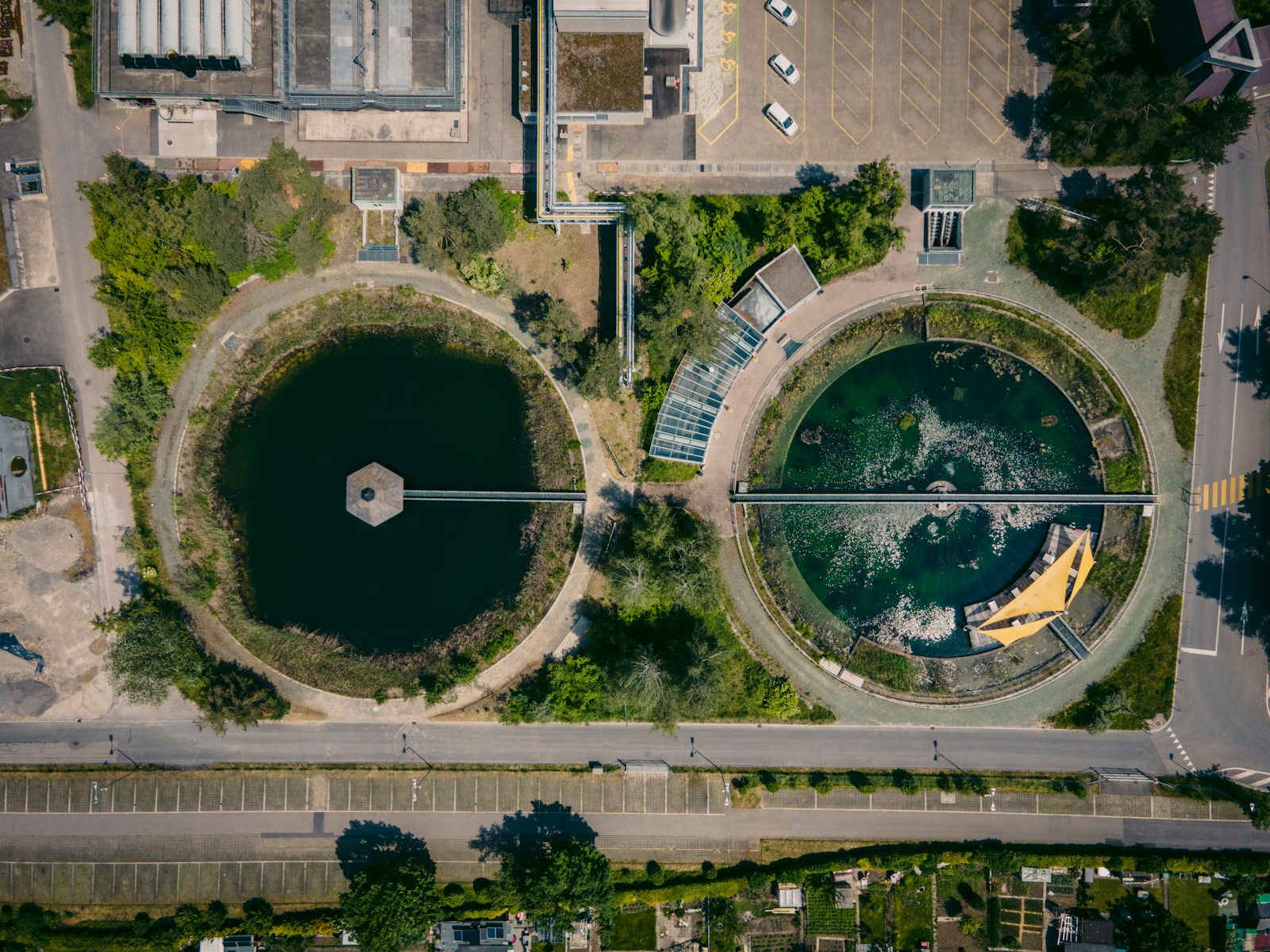
Matrix 4.1: Approved Treatment Technologies (Lampiran III)
Businesses may use alternative technologies beyond those listed, provided they meet the quality standards specified in Lampiran I (Pasal 10).
5.0 Transition Period and Compliance Requirements
5.1 Two-Year Compliance Deadline
Pasal 12 grants existing businesses a 2-year transition period:
"Pemenuhan kewajiban sebagaimana dimaksud pada ayat (1) wajib dilakukan paling lama 2 (dua) tahun terhitung sejak mulai berlakunya Peraturan Menteri/Badan ini."
The regulation took effect on September 9, 2025, making the compliance deadline September 9, 2027. Existing businesses whose wastewater quality standards do not yet conform to this regulation must either amend their Environmental Approval (Persetujuan Lingkungan) or adjust their monitoring practices under their SPPL.
A facilitation measure allows environmental permit amendments without requiring new technical approvals for wastewater quality standard compliance (Pasal 12 ayat 2).
Matrix 5.1: Compliance Requirements by Business Category
5.2 Regulations Revoked
Pasal 14 repeals two earlier regulations:
"a. Peraturan Menteri Lingkungan Hidup dan Kehutanan Nomor P.68/MENLHK/SETJEN/KUM.1/8/2016 tentang Baku Mutu Air Limbah Domestik [...] dicabut dan dinyatakan tidak berlaku."
Additionally, domestic wastewater and sanitary wastewater provisions (Lampiran I huruf A angka 3 and angka 4) from Permen LH 19/2010 concerning wastewater quality standards for oil, gas, and geothermal activities are partially revoked.
Matrix 5.2: Regulatory Changes
Conclusion
Permen LH 11/2025 updates Indonesia's domestic wastewater quality standards framework with volume-based technology requirements, a three-dimensional quality standards classification, and 9 approved treatment technologies. The regulation applies to all businesses and activities generating domestic wastewater. Existing businesses must comply by September 9, 2027. The regulation fully revokes Permen LHK 68/2016 and partially revokes domestic wastewater provisions in Permen LH 19/2010.
Legal Basis
Note: Permen LH/BPLH 11/2025 was published in Berita Negara RI 2025 No. 678 and may not yet be available in the JDIH BPK database. The link above points to the official Ministry of Environment JDIH portal.
Official Source
Peraturan Menteri Lingkungan Hidup/Badan Pengendalian Lingkungan Hidup Nomor 11 Tahun 2025 tentang Baku Mutu Air Limbah Domestik dan Standar Teknologi Pengolahan Air Limbah Domestik
Berita Negara Republik Indonesia Tahun 2025 Nomor 678
Enacted: September 4, 2025 | Effective: September 9, 2025 | Signed by: Hanif Faisol Nurofiq
Download from JDIH Kementerian LH
Disclaimer
This article was drafted with AI-assisted research tools and reviewed by the CRPG editorial team. For legal advice, please consult a qualified professional. The content is provided for informational purposes only and should not be relied upon as legal advice or authoritative interpretation of regulations.
We accept no liability whatsoever for any decisions made based on this article. Readers are strongly advised to:
- Consult the official regulation text from government sources
- Seek professional legal counsel for specific matters
- Verify all information independently
This AI-assisted application is designed to improve access to regulatory information.
Law Database
Access PERMEN 11/2025 in the CRPG Law Database: PERMEN 11/2025